
Snugg is a fast-growing Scottish startup committed to making home energy efficiency simple and affordable for everyone. We’re helping UK homeowners reduce their carbon footprint and save on bills—one home at a time.
Earth Day makes the invisible, visible.
For one day, we think about our impact—what we use, what we waste, and how we live.
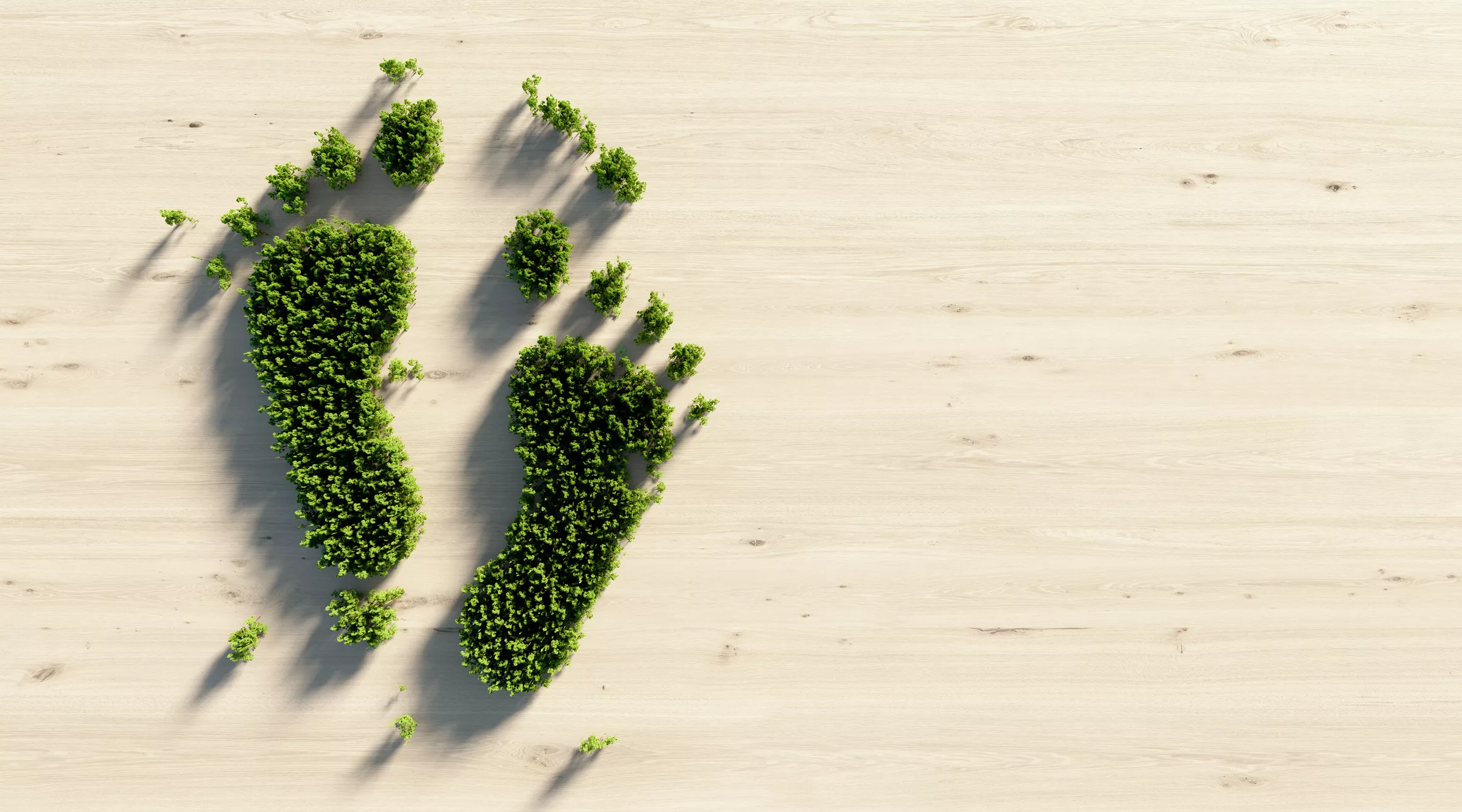
But here’s the part most people don’t see: your home has an environmental footprint every single day, not just on April 22.
The footprint you don’t notice
When people think about their carbon footprint, they picture flights, cars, or plastic waste.
But one of the biggest contributors sits much closer to home, literally.
It’s:
- the heat escaping through your walls
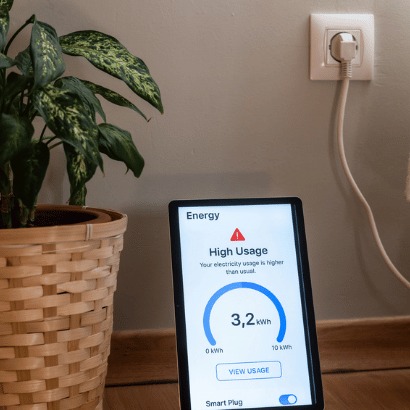
- the energy used to keep your home comfortable
- the inefficiencies you don’t notice day to day
And because it’s invisible, it’s easy to ignore.
Why Earth Day matters (but isn’t enough)
Earth Day plays an important role. It brings attention to the climate crisis and creates a shared moment of awareness, but awareness has a limit.
Because your home doesn’t change how it behaves on Earth Day.
It keeps:
- losing heat
- using energy
- impacting the planet
Just like it did the day before.
Making the invisible visible
The real challenge isn’t just caring; it’s knowing where to start.
Because most people don’t know:
- how efficient their home actually is
- where they’re losing energy
- what changes would make the biggest difference
And that’s where real progress begins, not with a symbolic action but with actually understanding your home.
From awareness to action
If Earth Day is about awareness, the next step is clarity. That’s what turns good intentions into real impact.
With the right insight, you can:
- see how your home performs
- understand where energy is being wasted
- take steps that actually reduce your footprint
Not just for a day, but long term.
Small changes, repeated daily
The biggest misconception about sustainability?
That it requires big, dramatic change. In reality, it’s the small improvements, made once, that keep delivering impact every day after.
Better insulation.
Smarter energy use.
More efficient homes.
These aren’t one-off actions. They’re long-term investments in your home’s energy efficiency journey.
Earth Day is about paying attention, but what really matters is what you do once the day is over. Because your home doesn’t switch off its impact while it runs every day.
The question is — do you know what that impact looks like?
See your home more clearly.
Understand your impact.
And start reducing it, every day.