
Snugg is a fast-growing Scottish startup committed to making home energy efficiency simple and affordable for everyone. We’re helping UK homeowners reduce their carbon footprint and save on bills—one home at a time.
Most households in the UK are still on a flat rate tariff, paying the same price for electricity at 3am as they do at 6pm, when demand (and cost) is highest. Switching to a smart tariff can change that. It shifts your usage to cheaper hours and, for some households, cuts a meaningful chunk off the annual bill. In this guide, we'll cover what smart tariffs are, how they work, who they suit and how Snugg works out which one is right for your home.
In this guide, we cover:
- What is a smart tariff?
- How do smart tariffs work?
- What types of smart tariffs are there?
- What are the benefits of switching to a smart tariff?
- How much could you save on a smart tariff?
- Do you need a smart meter for a smart tariff?
- How does Snugg find your Optimised tariff?
- Smart tariff FAQs
What is a smart tariff?
A smart tariff is an energy tariff where the price you pay for electricity changes depending on when you use it, rather than staying fixed around the clock. Instead of one flat rate, a smart tariff might charge you less overnight, when demand on the grid is low, and more during peak hours in the early evening, when everyone's cooking dinner, running the TV and charging devices at once.
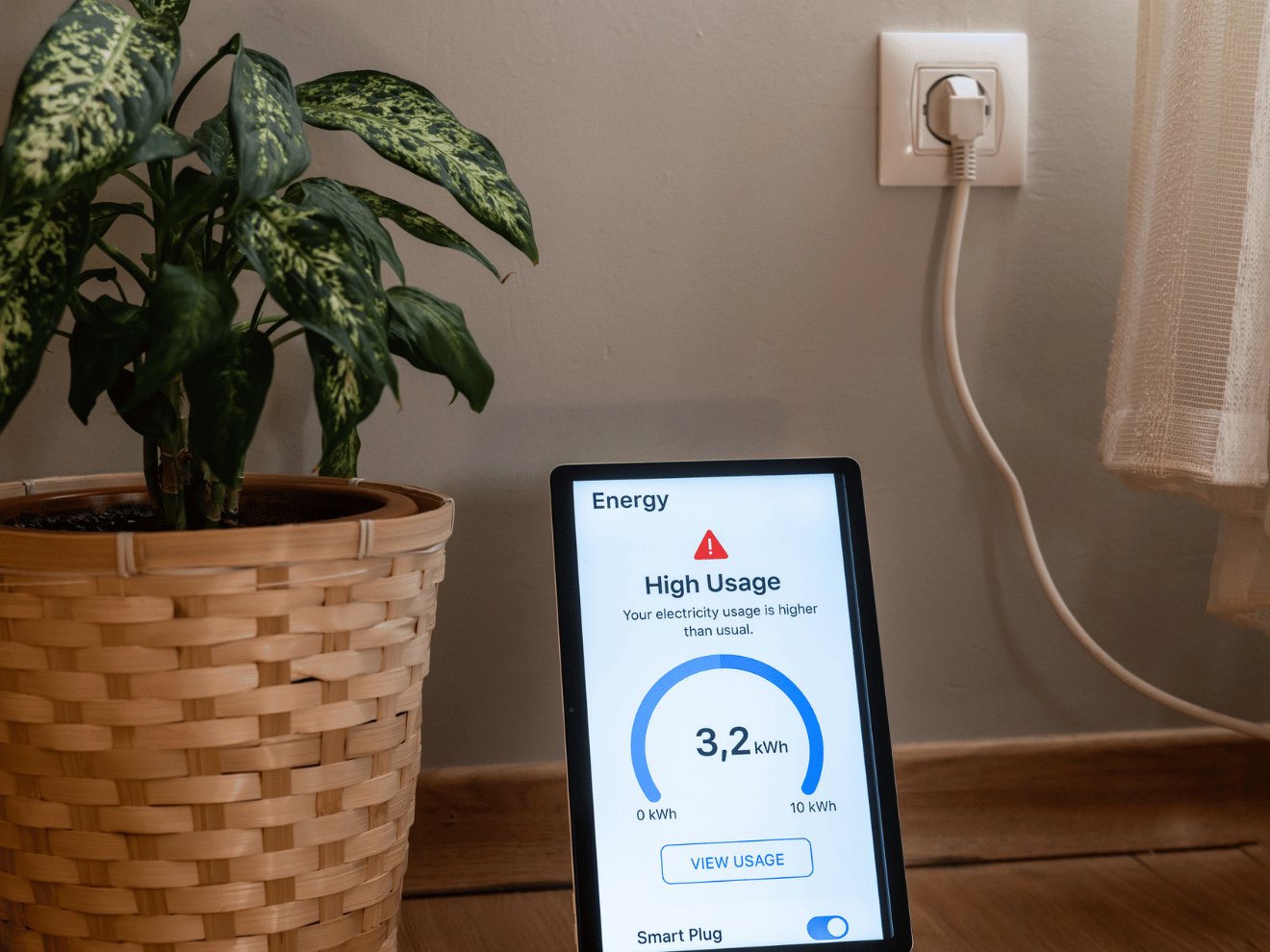
They're called smart tariffs because they rely on a smart meter to measure your usage in detail, typically every half hour, so your supplier can charge the right rate for the right time rather than estimating your usage in one lump.
Smart tariffs aren't a single product. They're a category that includes time of use tariffs, EV, heat pump, battery, export and dynamic tariffs, each suited to a different kind of household. We'll go through each below.
How do smart tariffs work?
Your smart meter sends half hourly readings back to your supplier, so instead of billing you for a rough average of what you used over a quarter, they can see exactly when you used electricity. A smart tariff then applies different rates to different times of day, usually split into two or three bands: a cheap off-peak rate (often overnight), a standard rate, and sometimes a peak rate during the busiest hours.
The idea is simple. If you can shift some of your usage, such as running the washing machine overnight, charging an EV after midnight, heating water in an off-peak window, you pay less for the same amount of electricity. It also helps the wider grid. Electricity demand isn't flat throughout the day, and shifting some of that demand to quieter hours means less strain at peak times and less reliance on the power stations that only switch on to meet peak demand.
What types of smart tariffs are there?
General time of use tariffs
The most common type. Your day is split into rate bands, commonly a cheap overnight rate and a standard daytime rate, and you're charged accordingly. Economy 7, a dual-rate tariff with seven hours of cheaper electricity overnight, is the best-known example. These suit households that can shift some usage to off peak hours, even if it's just running appliances overnight. They also tend to have a lower standing charge (the daily fee for being connected) than more specialist smart tariffs.
EV tariffs
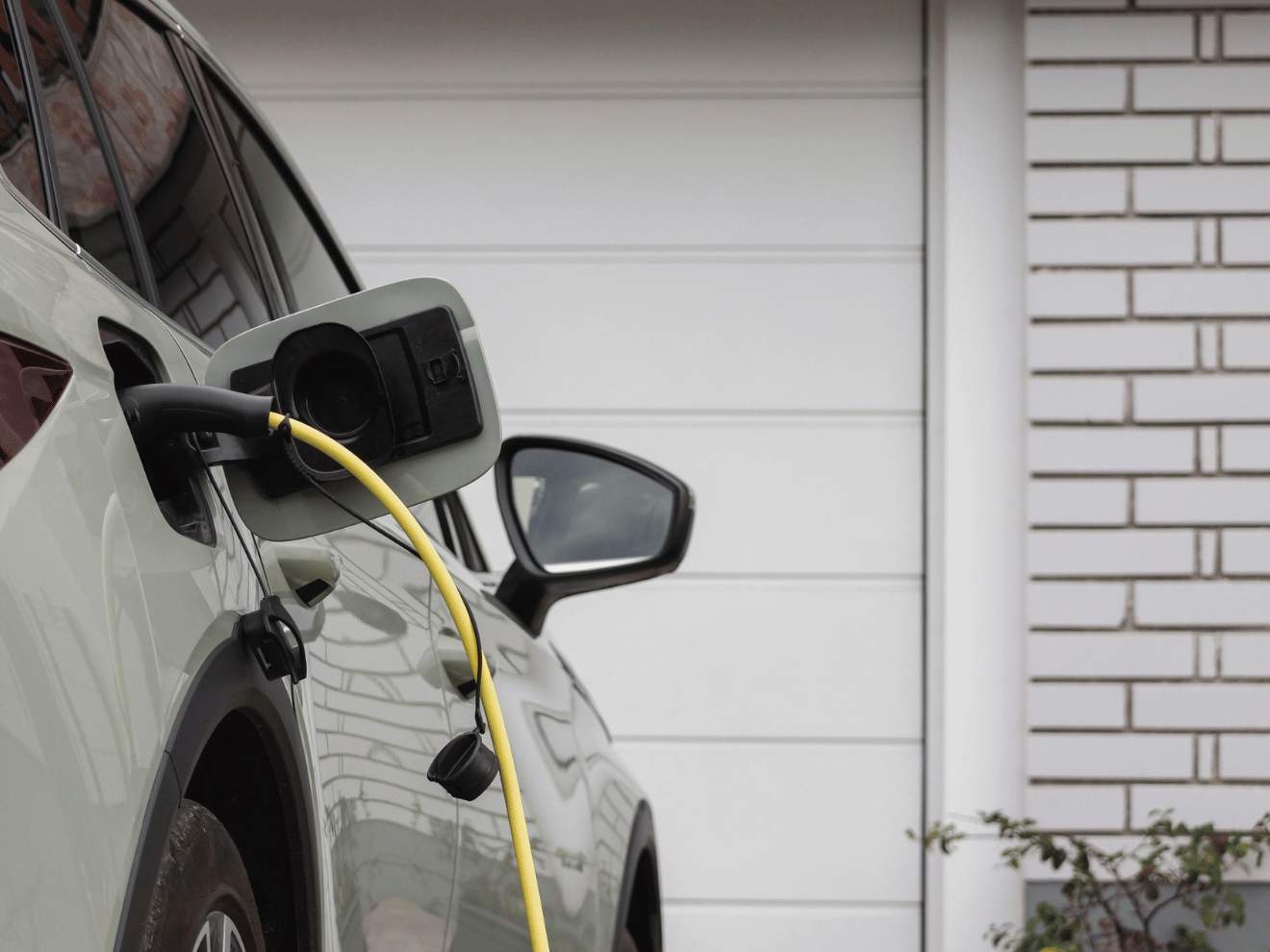
A time of use tariff designed specifically around electric vehicle charging, usually with a very low overnight rate timed to match when most people plug in their car. If you already have an EV, or you're considering one, an EV tariff is often where the biggest savings are. Some EV tariffs apply the cheap rate to your whole home, not just the car, which also makes other electric upgrades, like a home battery, cheaper to run.
Heat pump tariffs
Designed around running a heat pump. Instead of one long overnight window, a heat pump tariff gives you several cheaper periods through the day and a higher rate during the early evening peak. Running your heat pump in the cheaper periods means you can keep your home warm for less. Some also offer a lower rate specifically for your heat pump.
Battery tariffs
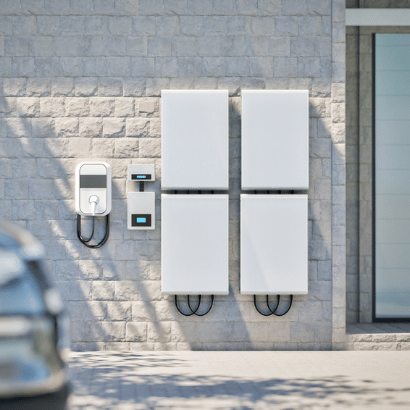
Designed for homes with a battery, and often solar panels too. A battery tariff gives you a cheap off-peak rate to charge your battery, which then powers your home through the expensive evening peak. If you have a heat pump too, your battery can help run it at peak times, so you avoid the highest rates.
Export tariffs
If you generate your own electricity, most commonly through solar panels, an export tariff pays you for the electricity you send back to the grid rather than use yourself. Rates vary by supplier and by time of day. Pairing an export tariff with a home battery can make a real difference to how much of your own generation you actually benefit from, rather than exporting it at a lower rate than you'd pay to buy it back later.
Dynamic tariffs
A smaller but growing category where the price changes daily, or even half hourly, based on live wholesale energy prices. These can offer the lowest prices of all during periods of high renewable generation, but they need more active engagement since prices can also spike. They tend to suit households that are happy checking an app and adjusting usage, rather than a set and forget approach.
What are the benefits of switching to a smart tariff?
Switching to a smart tariff comes with a few clear benefits, and most of them come back to saving money.
- Lower bills for flexible usage. If you can shift when you use electricity, even partially, a smart tariff can cost less than a flat rate tariff for the same total usage.
- Better value from an EV or a battery. Charging overnight on a cheap rate, or exporting solar generation at a decent price, helps these upgrades pay for themselves faster.
- More visibility over your usage. Smart tariffs come with more detailed billing, so you can see where your electricity is going, not just a quarterly estimate.
- Support for the wider grid. Shifting demand away from peak hours helps reduce reliance on the most carbon intensive power generation, which only runs to cover the busiest periods.
- A step towards a fully electrified home. As more of your home's energy, heating, driving, cooking, comes from electricity rather than gas or petrol, when you use that electricity starts to matter as much as how much you use.
How much could you save on a smart tariff?
Savings depend a lot on your circumstances: how much of your usage you can realistically shift, whether you have an EV or solar panels, and which tariff you switch from and to. As a rough guide, households that can move a good share of their usage to off peak hours, running a washing machine overnight or charging an EV on a cheap rate, tend to see the biggest gains. Households whose usage is spread fairly evenly throughout the day may see a smaller difference or occasionally pay a little more if they're mostly using electricity during peak hours.
This is why a personalised estimate matters more than a generic number. A smart tariff that saves your neighbour two hundred pounds a year might do nothing for you if your usage pattern doesn't line up with the cheap hours.
Do you need a smart meter for a smart tariff?
Yes. Smart tariffs rely on half hourly usage data, which only a smart meter can provide. If you don't already have one, your supplier can usually arrange an installation free of charge. Most UK energy suppliers are required to offer this as standard.
It's worth noting that a small number of homes, particularly in areas with limited signal coverage, may have a smart meter that isn't currently sending readings automatically, sometimes called operating in ‘dumb mode.’ If that's the case, it's worth contacting your supplier, since it will need to be connected properly before you can access smart tariff pricing.
How does Snugg find your Optimised tariff?
Snugg looks at how your home uses energy, not just an average, to work out which type of tariff would save you the most money. We call this your Optimised tariff. Based on your home and the improvements in your plan, we'll suggest the type that fits best: a general tariff (standard single-rate or Economy 7), an EV tariff, a heat pump tariff or a battery tariff. Sometimes a simpler tariff with a lower standing charge saves you more than a specialist one, and we'll explain why. Your recommendation updates as your home changes. So, if you add a battery or switch to an EV later, it moves with you rather than staying static.
Connect your smart meter and we can base your recommendation on your actual usage pattern, rather than an estimate, so it's even more accurate.
Rather than asking you to compare tariffs manually or guess whether switching is worth the hassle, Snugg makes the comparison against your actual, personalised profile. So, what you see is what you could realistically expect to save, not a best-case example that doesn't apply to your home.
_________________________________________________________________
Get started with Snugg and start saving on your energy bills.
Check grants, find trusted installers and work out the best way to pay, so you can start saving on your energy bills.


Smart tariff FAQs
A smart tariff is an electricity tariff where the price changes depending on the time of day you use it, based on readings from a smart meter, rather than one flat rate all day.
Yes. Smart tariffs rely on half hourly usage data that only a smart meter can provide. Most suppliers will install one free of charge if you don't already have one.
It depends on your usage pattern. Households that can shift usage to off peak hours typically save money. Households whose usage is spread evenly throughout the day may see less benefit or occasionally pay slightly more.
In most cases, yes. Many suppliers offer several tariffs, including smart options, and moving between them usually doesn't involve the same process as switching suppliers. Check with your current supplier what's available first.
A tariff where the price you pay changes depending on the time of day, usually with a cheaper overnight rate and a standard daytime rate. Economy 7 is the best-known example. It suits households that can shift some of their usage to off-peak hours.
A time of use tariff with a much lower overnight rate, timed for when most people charge their car. Some EV tariffs apply the cheap rate to your whole home, not just the car.
A tariff designed around running a heat pump, with several cheaper periods through the day and a higher rate at the early evening peak, so you can heat your home for less.
A tariff designed for homes with a battery. It gives you a cheap off-peak rate to charge your battery, so you can use that stored electricity when rates are highest.
Smart meter data is regulated, and suppliers are required to handle it securely. You can also opt out of certain data sharing settings, so it's worth asking your supplier what controls are available.
Yes, in most cases you can switch back to a standard tariff, though it's worth checking your contract terms and any notice periods with your supplier first.
We look at your home and the improvements in your plan, including any EV, heat pump or solar setup, to work out which type of tariff would save you money. When you connect your smart meter, we can base this on your actual usage pattern, rather than a generic average.